See & do

A lane of renovated old houses turned design cafés and boutiques, right beside the Silla royal tombs — great for hanbok photos.
© Choi2451Gyeongju-si · 불국사 석굴암Bulguksa Temple & Seokguram ✓
The two UNESCO sites that anchor Gyeongju — 8th-century Silla stonework that survived everything since.
© by martinroellGyeongju-si · 불국사Bulguksa Temple
8th-century Silla temple whose Dabotap and Seokgatap stone pagodas and staircase-bridges are the defining images of Korean Buddhist architecture. Unlike many restored sites, the stonework is original.
© Unknown authorGyeongju-si · 동궁과 월지Donggung Palace & Wolji Pond
Reconstructed Silla crown-prince palace pavilions mirrored in a lotus pond. After dark the lit buildings double in the water — it is the single best photograph in Gyeongju and the anchor of the city's official night-scape tour.
© Korea Heritage ServiceGyeongju-si · 경주역사유적지구 [유네스코 세계문화유산]Gyeongju Historic Area [UNESCO World Heritage]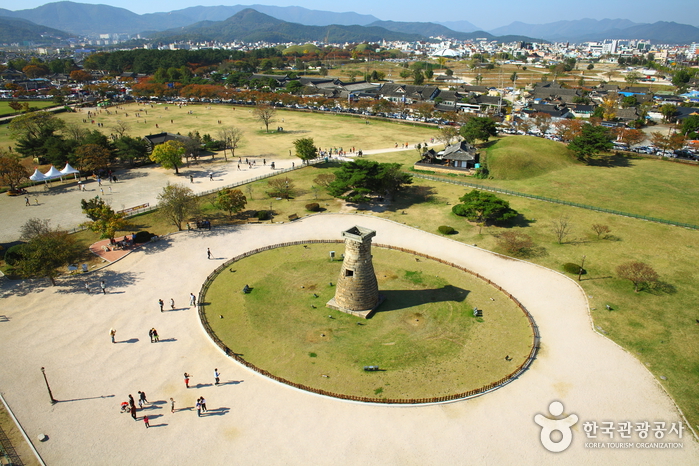
The Gyeongju Historic Area, registered as a UNESCO World Cultural Heritage on November 2000, is an area that embodies the time-honored history and culture of Gyeongju, the ancient capital of the…
© Korea Tourism OrganizationGyeongju-si · 경주 양동마을 [유네스코 세계유산]Gyeongju Yangdong Village [UNESCO World Heritage]
Gyeongju Yangdong Village is Korea’s largest traditional village, showcasing the traditional culture of the Joseon dynasty and the beautiful natural surroundings.
© Korea Tourism OrganizationGyeongju-si · 화랑의언덕Hwarang Hill
◎ Travel information to meet Hallyu’s charm - "The Good Bad Mother" A meadow where Kang-ho and neighborhood children often played, Hwarang Hill is touted as a prime spot for one of the best…
© Korea Tourism OrganizationGyeongju-si · 도리마을은행나무숲Dori Village Ginkgo Tree Forest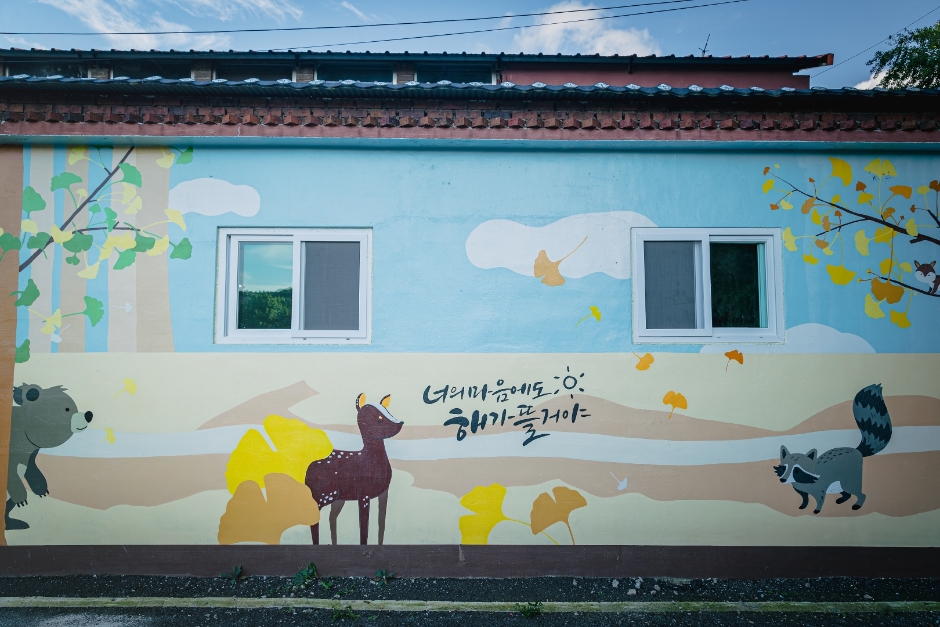
A thick forest formed by densely planted ginkgo trees. In the fall, the golden ginkgo leaves color the forest.
© Korea Tourism OrganizationGyeongju-si · 경주 보문관광단지Bomun Tourist Complex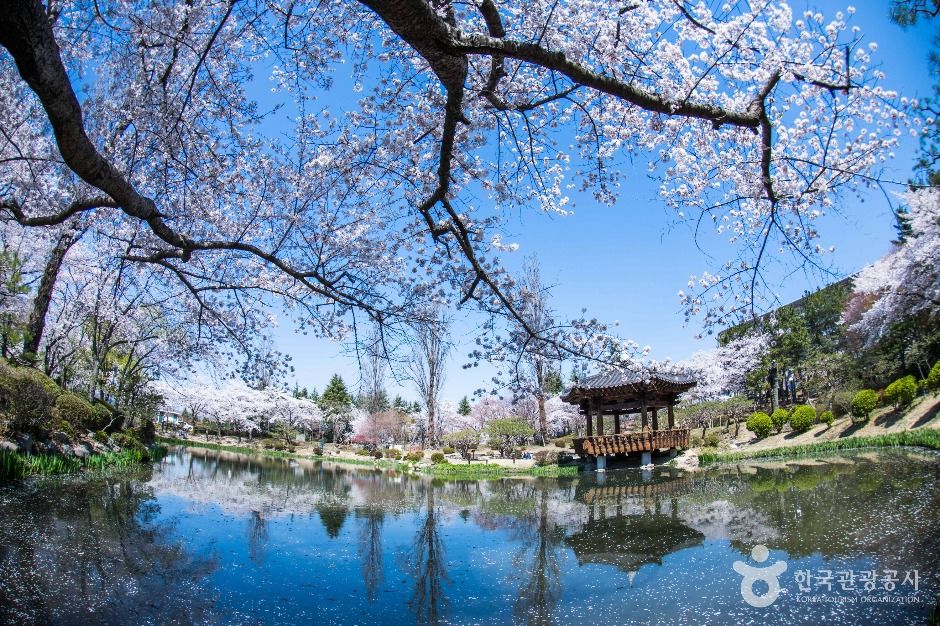
Bomun Tourist Complex is the international tourist district of Gyeongju.
© Korea Tourism OrganizationGyeongju-si · 경주 오릉Gyeongju Five Royal Tombs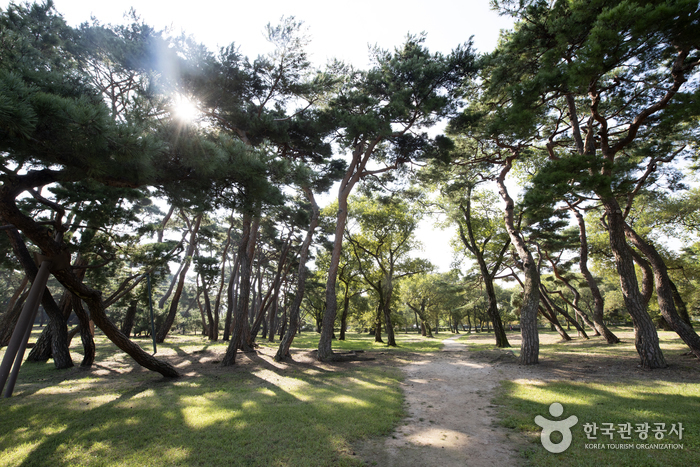
The Five Royal Tombs (called Oreung in Korean) have been officially designated Historic Site No.
© Korea Tourism OrganizationGyeongju-si · 불리단길Bullidan Street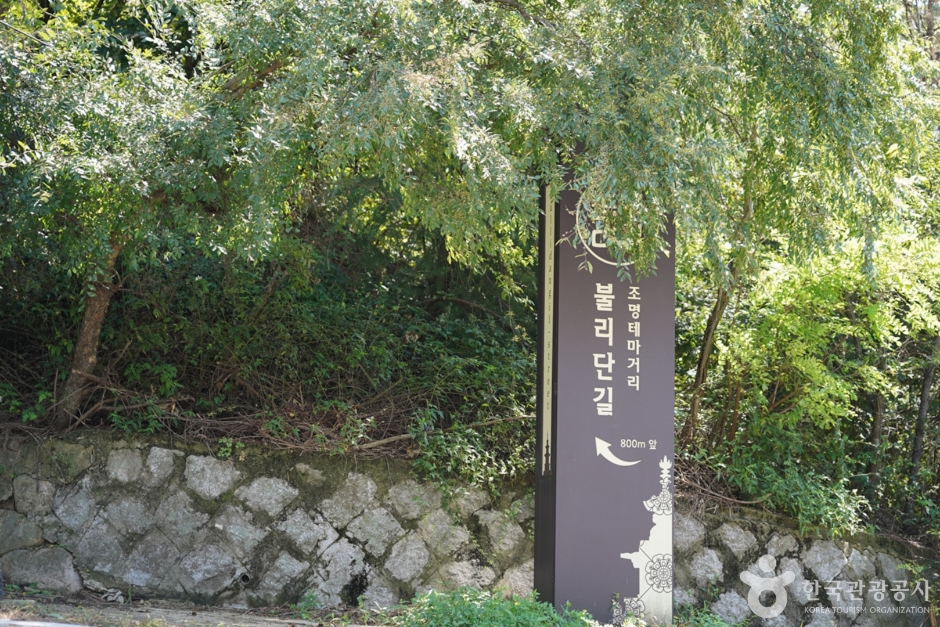
Bullidan Street, near Bulguksa Temple, once a popular destination for school and group trips, is gaining renewed attention with the opening up of various cafés, restaurants, and workshop…
© Korea Tourism OrganizationGyeongju-siMCY PARK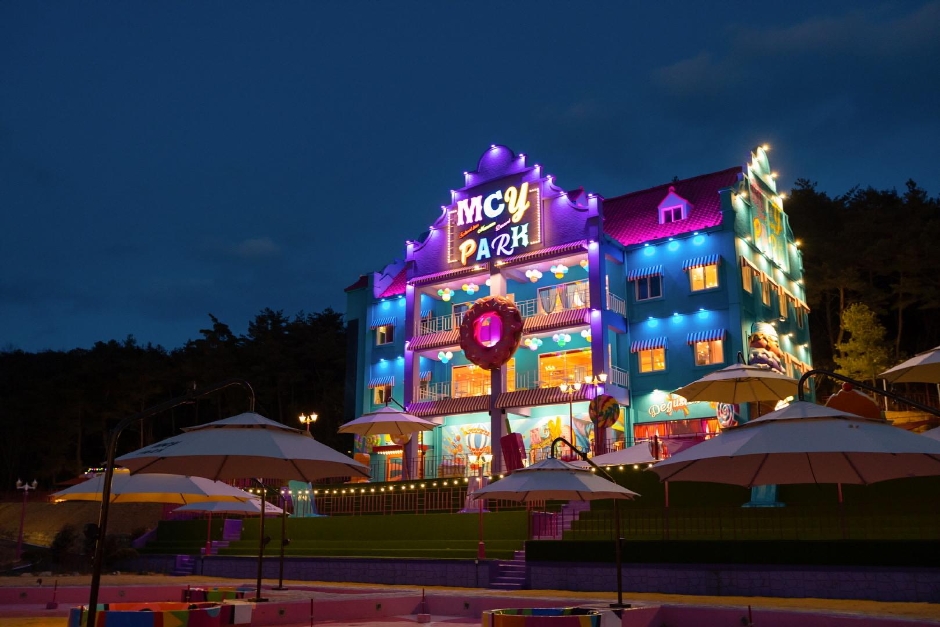
Themed around three primary colors Red, Blue, and Yellow, MCY Park features vibrant art installations.
© Korea Tourism OrganizationEat & drink
Birthplace of Hwangnam-ppang, a thin-skinned red-bean pastry first made in 1939 — the original vs countless copycats.
Gyeongju-si · 경주 쌈밥거리Gyeongju Ssambap Street ✓
Restaurants serving ssambap — rice wrapped in fresh leaves with a generous array of Gyeongju-style side dishes.
© Korea Tourism OrganizationGyeongju-si · 소소밀밀 서악점Sosomilmil Seoak Branch
◎ Travel information to meet Hallyu’s charm - "The Good Bad Mother" The neighborhood gathering spot in the drama where Jo-woori Village residents frequently met to share big and small news,…
© Korea Tourism OrganizationGyeongju-si · 보문갈비Bomun Galbi
Beomun Galbi is a Korean restaurant specializing in charcoal-grilled ribs and Hamheung-style cold buckwheat noodles, located directly opposite Gyeongju World in the Beomun Tourist Complex.
© Korea Tourism OrganizationGyeongju-si · 능포다원Neungpo Dawon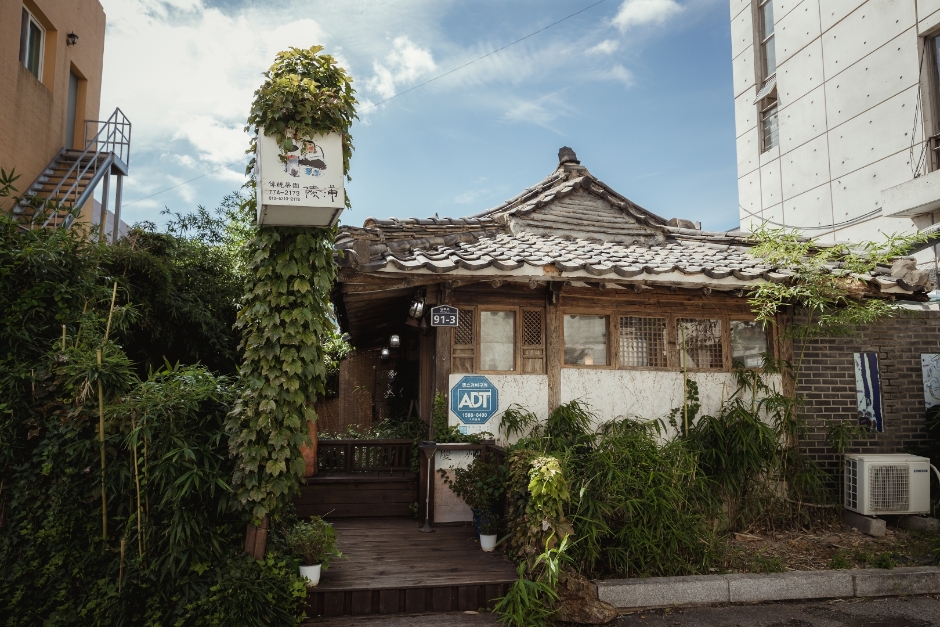
A traditional Hanok tea house subtly nestled among buildings.
© Korea Tourism OrganizationGyeongju-si · 황남빵Hwangnambbang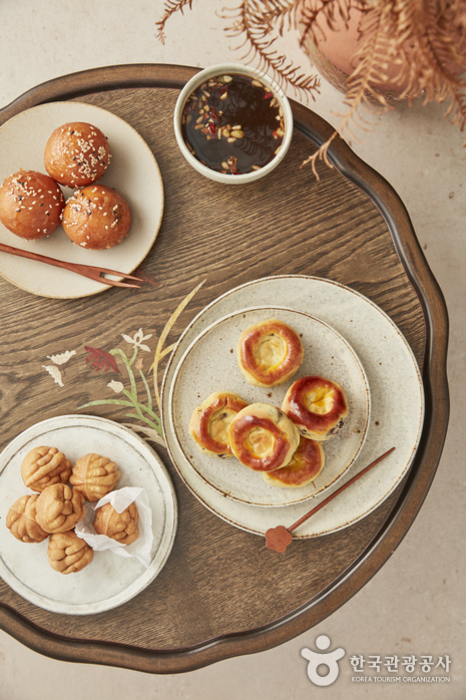
Hwangnamppang, which literally means Hwangnam bread, was created in Hwangnam-dong, Gyeongju, in 1939, and the name was popularized among people who came to Gyeongju to buy this bread.
© Korea Tourism OrganizationShop
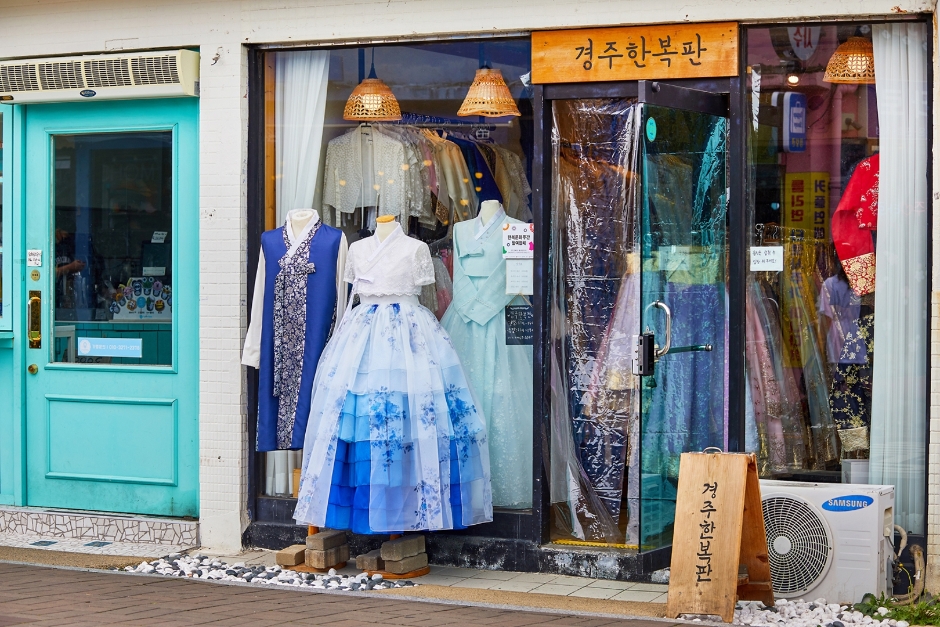
Living-hanbok specialty shop in the middle of Hwangnidan-gil known for floral-print jeogori and dress-style hanbok for photos.
© Korea Tourism OrganizationGyeongju-si · 경주 중앙시장Gyeongju Jungang Market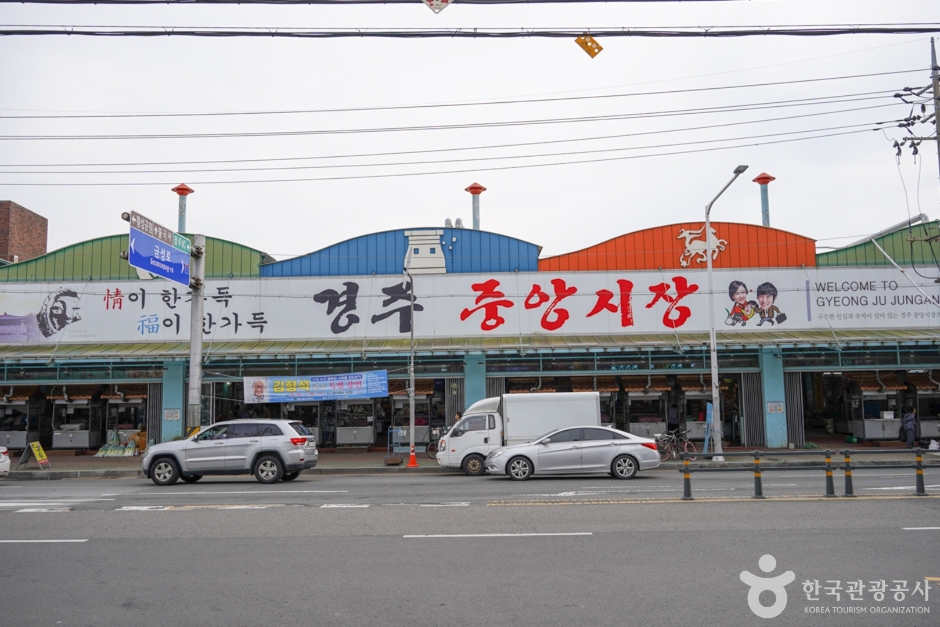
Opened in 1983, Gyeongju Jungang Market is the main marketplace for Gyeongju locals.
© Korea Tourism OrganizationGyeongju-si · 경주 성동시장Gyeongju Seongdong Market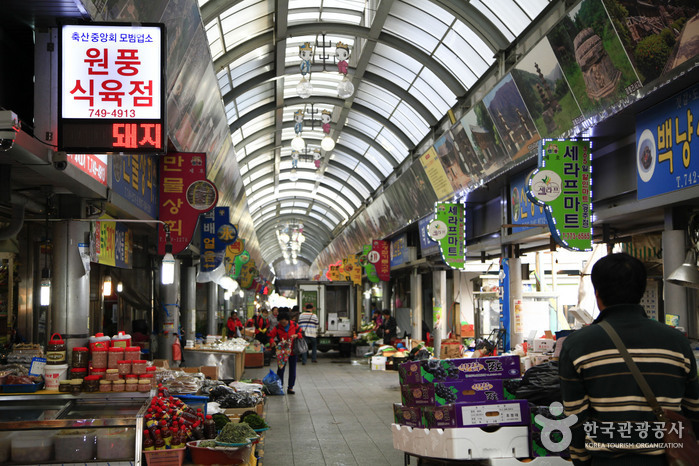
Gyeongju Seongdong Market has approximately 300 stores and 30 vendors.
© Korea Tourism OrganizationMore places
Gyeongju's walkable heart: hanok cafés and shops along Hwangnidan-gil beside the grassy royal tombs of Daereungwon, with Cheomseongdae observatory and hanbok rental all within 15 minutes on foot. Busiest 13:00–17:00 at weekends.
© Choi2451Gyeongju-si · 경주Gyeongju
The 1,000-year capital of the Silla kingdom: royal tomb parks, Bulguksa Temple and Seokguram Grotto (UNESCO), Cheomseongdae and Donggung Palace lit up at night. The tomb area is walkable; Bulguksa needs a bus or taxi. Plan 1–2 days.
© fritz.guillaume✓ Places checked by hand · 2026-09-03